
Dr. Sharda Brata Ghosh, an experienced obstetrician and gynecologist, is dedicated to providing the highest quality of care for women in Dubai, UAE. With a compassionate approach and a commitment to patient-centered treatment, Dr. Ghosh strives to ensure a positive and reassuring experience for every individual who entrusts their health and wellbeing to her.
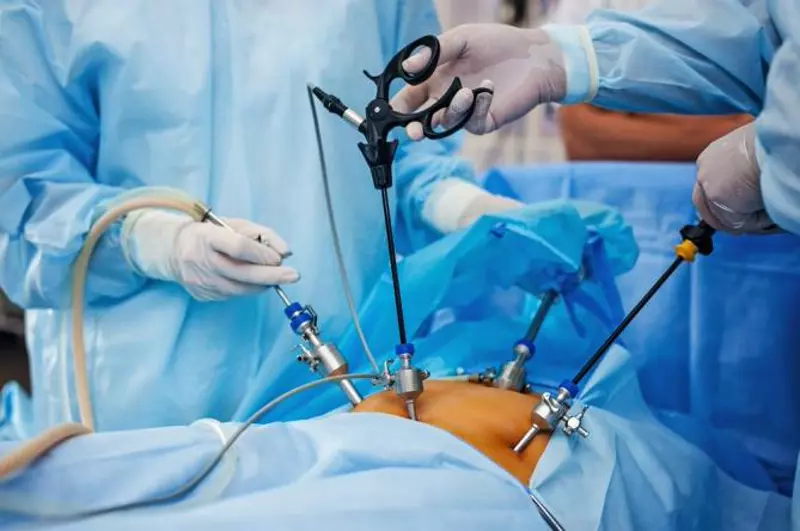
Advanced Laparoscopy
Besides advanced laparoscopic surgery for fibroids, ovarian disorders, gynaecological cancer, ectopic pregnancy, Dr. Ghosh’s expertise extends to a wide range of gynecological conditions, including preventive screenings, management of menstrual disorders, and treatment of reproductive health concerns. She is committed to addressing each patient’s unique needs with sensitivity and professionalism.

High Risk Pregnancy
From routine prenatal checkups to high-risk pregnancies, Dr. Ghosh provides personalized, evidence-based obstetric care to ensure the health and safety of both mother and child throughout the entire journey of pregnancy and childbirth.
Infertility
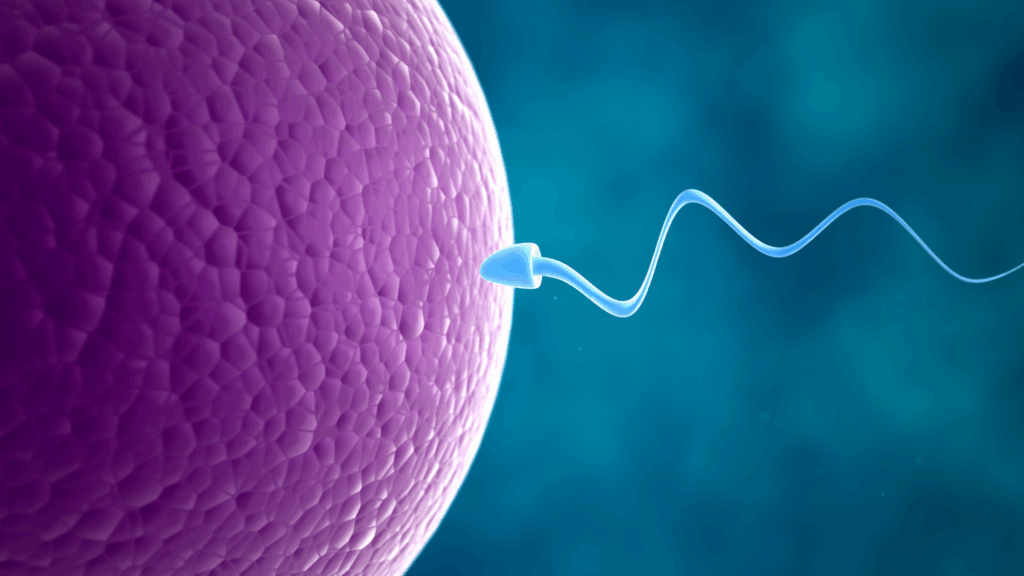
Patients can expect a warm, supportive, and understanding environment when visiting Dr. Ghosh’s practice. She prioritizes open communication, patient education, and shared decision-making to empower women and promote their fertility treatment.
Informations shared here or anywhere on this website is not a substitute of consultation /evaluation /preventive care or treatment plan with a Specialist Ob Gyne doctor or allied medical services. Medical information is continuously changing with time so give proper attention to latest changes in medical information and followup with your treating doctor.
Advanced Laparoscopy:
WHAT IS LAPAROSCOPY ?
A laparoscopy is an operation performed under general anesthesia, which involves looking at the organs within your pelvis and abdomen with a thin telescope called a laparoscope. It is also referred to as keyhole surgery. It is done to find the cause of problems such as pelvic pain, painful periods, infertility, or painful sex. It is done to remove ovarian cyst/ adnexal masses, for ectopic pregnancy, endometriosis, removal of part of the uterus for various pathologies like fibroid, adenomyosis, adhesiolysis, and also performed for malignancy of multiple organs
HOW IS THE OPERATION DONE?
You will usually be admitted to a ward for 1-2 nights, depending upon the type of operation. The operation requires small made on your tummy. This is used to fill your abdomen with gas to provide space around your organs so that your womb, tubes, and ovaries can be seen clearly. The laparoscope is then passed through, with a camera attached. Another one or two minor cuts of a few mm may be needed to help get a good view of your pelvis or to perform keyhole surgery. Then depending upon the nature of the procedure, affected uterus/cervix/tubes/ovary/vagina are removed partially or entirely; if it’s just a diagnostic laparoscopy, the problem is identified, and correction is done with or without biopsy.
WHAT SHOULD I EXPECT AFTER A LAPAROSCOPY?
- If you have had a short general anesthetic, once you are awake, you will be offered a drink of water or a cup of tea and something light to eat before you go home
- You can expect some pain and discomfort in your lower abdomen for the first few days after your operation. You may also have some pain in your shoulder. This is a common side effect of the procedure.
- Your cuts will initially be covered with a dressing. You should be able to take this off about 24 hours after your operation and have a wash or shower
- You may get a small amount of vaginal bleeding for 24 to 48 hours.
- Your cuts will be closed by stitches generally removed about five to seven days after your operation.
WHEN SHOULD I SEEK MEDICAL ADVICE AFTER A LAPAROSCOPY?
- Burning and stinging when you pass urine or pass urine frequently
- Red and painful skin around your scars
- Increasing abdominal pain
- A painful, red, swollen, hot leg or difficulty bearing weight on your legs:
- There is no improvement in your symptoms.
Care During Pregnancy
DIET DURING PREGNANCY
Why is so much stress laid on a healthy diet?
As mother is the only source of nutrition for her unborn baby, your eating habits will affect her baby’s health and well-being. In order to cope with the increased demands, her body needs a sufficient amount of nutritions.
HOW MANY CALORIES DOES AN EXPECTANT MOTHER REQUIRE?
In the early months of pregnancy, pregnant mother does not need to change her diet. However, as the pregnancy advances, one may need to increase her caloric intake to 300 additional calories a day. This normally happens in the second and third trimesters. If a lady eats more than this amount, she will gain unnecessary weight, and not her baby. Also,junk foods like burgers, fries, cookies, etc. should be avoided as these constitute empty calories.
What one needs is a sufficient amount of proteins, carbohydrates and foods that contain minerals and vitamins such as chappatis, pulses, soy, milk, eggs, non veg foods, nuts, green leafy vegetables and fresh fruits.
THEY SAY THAT A PREGNANT WOMAN EATS FOR TWO ?
Your pregnancy does not entitle expectant mother to eat for two. In fact, ifshe does eat for two, you will gain so much weight that she will not only be inviting unnecessary complications, but will also have difficulty in sheddingher excess weight after pregnancy.
WHAT IS A BALANCED DIET FOR A PREGNANT WOMAN?
- During pregnancy, pregnant women’s diet should consist of the following
- 3 helpings of first class proteins –egg, soyabean, non-veg item
- 2 helpings of vitamin C foods –citrus fruits/ tomatoes
- 4 helpings of calcium-rich foods (4 during pregnancy, and 5 during lactation) –milk, curd
- 3 helpings of green, leafy and yellow vegetables or fruits –spinach, bathua, cholai, pumpkin, papaya, carrot
- ½ serving of other fruits and vegetables –brinjal, bitterguard, cabbage.
4-5 helpings of whole grain and complex carbohydrates –chappatis, rice. - 8-10 glasses of water
- Dietary supplements based on your doctor’s recommendation
IS IT SAFE TO DRINK TEA/COFFEE OR FIZZY DRINKS DURING PREGNANCY?
Consumption of tea, coffee and fizzy drinks should be limited during pregnancy.
HOW CAN ONE COPE WITH CRAVING FOR FOODS THAT ARE LESS NUTRITIOUS?
one has a craving for something unhealthy, she should first try to distract herself or find a healthy alternative. If it still persists, then a very small amount may be consumed .This should always be kept in mind that the baby’s nutritional needs should not be compromised
WHAT IS ONE SUPPOSED TO DO IF THERE IS A BIZARRE CRAVING FOR PECULIAR NON EDIBLE ITEMS?
A doctor should be consulted as this may be a sign of an underlying nutritional disorder.
CARE DURING PREGNANCY AND POSTPARTUM PERIOD
Constipation relief during pregnancy
As many as half of all pregnant women have problems with constipation. General treatment measures include: (i) Drink at least 8 glasses of water each day, including 1-2 glasses of fruit juice (ii) Include bulk foods, foods high in fiber, such as cereals, and raw fruits and vegetables. (iii) Exercise daily-walking is a good form of exercise. Exercise and good physical fitness helps to maintain healthy bowel patterns. (iv) For occasional constipation, one may use a stool softener laxative as prescribed by the doctor.
Swelling/bleeding of gums during pregnancy
The extra hormones in the body during pregnancy may cause the gums to swell and bleed. Brush regularly, usinging a soft toothbrush helps in reducing the bleed. Having a dental checkup early in pregnancy is a good idea to be sure that the mouth is healthy.
Prevention of burning pain in the chest
To prevent burning pain in the chest: (i) Small frequent meals, 5 or 6 per day instead of 2 or 3 large meals should be eaten. One should not consumelarge amounts of fluids with meals. (ii) Foods that cause gas and spicy or greasy foods should be avoided . (iii) Do not lie down or sleep immediately after consuming food or drinking .. (iv) A gap of 2 hours should be kept after eating before exercising. (v) No alcohol or smoking. (vi) Very hot or very cold fluids should not be consumed.
Ideal weight gain for a healthy pregnancy
A woman should gain anywhere between 11-14 kg on average. Trimester wise weight gain is (i)First trimester :1-2 Kg (ii) Second Trimester :5-7 Kg and (iii) Third Trimester:4-5 Kg
Leg cramps in pregnancy
Yes, a pregnant female may experience an increase in leg cramps in the second and third trimesters of pregnancy. Getting plenty of calcium (three glasses of milk or supplement) and potassium (bananas and oranges) helps in reducing the cramps. Stretching legs before going to bed may help relieve cramps.
Inability to produce milk after cesarean delivery
She should put baby to her breast more often. If the problem persists then she should consult a lactational consultant
Generalized body weakness in pregnant women
She should take healthy diet like Green vegetables, Seasonal fruits, Milk (min. 1 glass), Pulses, Juice etc. If she has fever, loss of appetite, tiredness on very little or no work, etc.and she is looking pale she may be having less blood and she should consult a doctor.
Perineal pain from delivery last
In general, you should expect that it takes about month before perineal discomfort with walking or sitting goes away but it may easily take 2 months.
Pain with urination, frequency, vulvar burning after delivery
The hormones of pregnancy, high estrogen and progesterone, decline rapidly after delivery resulting in dryness of the vagina and inner mucosal lining of the vulva. As a result, it becomes sensitive to any irritation from soaps, rubbing, or contact with chemicals in pads, condoms, lotions or other topically applied agents.
Uncontrolled passing of gas or even stool from the anus after delivery
After vaginal delivery, some women do have difficulty holding their stool or gas. It occurs much more commonly after injury to the anal sphincter muscle, even if that injury is surgically repaired at the time of delivery
Vaginal opening looseness or pelvic prolapse after delivery
For this, a doctor/physiotherapist should be consulted who will advice about Kegels exercise to increase the muscle tone.
What diseases are regularly tested for even during a normal pregnancy?
Some of the conditions routinely checked for in most normal pregnancies are anemia, AIDS, Hepatitis B, Syphilis, blood group Rh Incompatibility ,urinary tract infection and diabetes. The doctor can test for all these condition with blood samples, taken at different times in the pregnancy and by doing urine analysis.
GYNAE COSMETOLOGY
- VaginalTightening/rejuvenation (surgery/laser), labioplasty, clitoral unhooding, vulval
- Whitening/bleaching, treatment of stretch mark/hypertrophic scar/genital lesions